
Van cổng thay thế có thể phù hợp với kích thước đường ống nhưng vẫn không phù hợp với việc lắp đặt. Hình vẽ giúp bạn kiểm tra chi tiết mà ảnh chụp sản phẩm không thể hiện được: chiều dài mặt đối mặt, khoan mặt bích, chiều cao mở và khả năng tiếp cận tay quay hoặc bộ truyền động. Hướng dẫn này giải thích cách đọc những chi tiết đó, xác định các thành phần chính và so sánh bản vẽ với yêu cầu của dây chuyền của bạn.
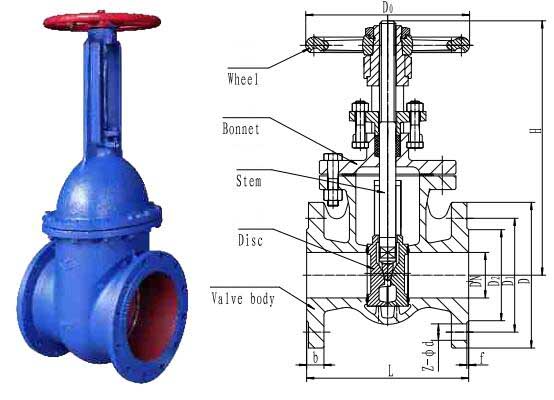
1. Bắt đầu với Loại bản vẽ và bản sửa đổi
Bản vẽ phác thảo rất hữu ích cho việc bố trí và lắp đặt. Bản vẽ lắp ráp mặt cắt cho thấy các bộ phận khớp với nhau như thế nào. Bản vẽ thành phần bổ sung thêm kích thước và dung sai gia công. Kiểm tra tài liệu bạn có trước khi sử dụng để phê duyệt mua hàng hoặc lên kế hoạch thay thế.

1.1 The Main Parts of a Gate Valve Drawing
A drawing or drawing set usually brings together the following information. Some installation drawings include only the dimensions needed by the purchaser; detailed manufacturing information may be on separate sheets.
- Title block: Find the model, số bản vẽ, revision, units and issue date. Make sure the revision matches the valve being quoted. A drawing for a similar-looking model may use a different flange pattern or face-to-face length.
- Views and sections: The elevation shows the overall shape; a sectional view exposes the gate, thân cây, seats and bonnet. A plan or end view helps you check flange drilling, handwheel position and the space needed around the valve.
- Kích thước: Separate installation dimensions from manufacturing dimensions. For fit-up, start with face-to-face length, overall height, flange details and the operating envelope. DN or NPS alone is not enough to confirm interchangeability.
- Material references: Follow each item number to the parts list. Read body, cổng, thân cây, seat and packing materials separately. Ví dụ, WCB and CF8 identify different body materials; a stainless body does not mean every internal part uses the same grade.
- Technical notes: Look for the specified design and connection standards, pressure-temperature rating, test requirements and any special operating conditions. Notes and referenced documents are part of the drawing, not optional background.
- Parts list: Item numbers connect the section view to the names, quantities and materials of the components. Use these references when discussing trim, seals or spare parts so that both parties mean the same component.
1.2 Symbols, Dimensions and Referenced Standards
Read the legend and notes before interpreting a symbol. A piping symbol identifies a function in a system; a manufacturing drawing uses dimensions, sections and callouts to define the actual valve.
- Connections: Identify flanged, threaded or welded ends from their details and callouts. For flanges, check the standard, kích cỡ, pressure designation and facing. Do not infer connection type from a circle or triangle without the drawing legend.
- Seats and seals: Read the material description and detail view. Metal seating, resilient seating and packing are different parts of the sealing system; a product code or simplified sketch does not describe all of them.
- Tolerances and fits: A diameter with a tolerance or fit designation controls a particular interface. Read it with the units and general tolerances. It should not be copied to another size or component.
- Surface finish: A roughness callout applies to the surface indicated. Seat geometry, vật liệu, finish and assembly all affect sealing; a lower roughness number alone is not a valve leakage guarantee.
Different standards cover different details. A design standard, a flange standard and a face-to-face standard do not replace one another. Của chúng tôi industrial valve standards guide explains how these references fit together; use the standard and edition specified for the project.
2. Read the Valve from Body to Operator
Working through the section view in a consistent order makes discrepancies easier to spot. Start with the pressure-containing body, then follow the gate, seats, stem and operator.
2.1 Thân hình, Bore and End Connections
The body drawing defines the pressure boundary and the pipe connections. For a purchaser, the important checks are material, rating and fit. Detailed wall dimensions are assessed against the applicable design requirements.
Pay particular attention to these three areas:
- Wall thickness and material: Use the material specification and design standard stated on the drawing. There is no single wall-thickness value that can be applied to every valve of a given DN and PN without knowing its design basis.
- Bore: DN or NPS is a nominal designation. Where actual clear bore matters, use the dimension on the drawing or request it. Do not assume the nominal size is the measured internal diameter.
- Flange details: Check outside diameter, bolt-circle diameter, hole count, kích thước lỗ và mặt đối diện với mặt bích giao phối. Một van có thể có cùng kích thước danh nghĩa và nhãn áp suất nhưng vẫn có các chi tiết kết nối không tương thích.
Để thay thế, so sánh kích thước từ đầu đến cuối hoặc trực diện trước khi đặt hàng. Hệ thống đường ống hiện tại thường ít tự do hơn so với lắp đặt mới, và buộc một vị trí không khớp vào vị trí có thể gây tải cho van và các khớp.
2.2 Sắp xếp cổng và chỗ ngồi
Bản vẽ mặt cắt cho thấy van có sử dụng nêm hay không, đĩa song song hoặc công trình khác. Điều này đáng tin cậy hơn việc xác định thiết kế từ hình dáng bên ngoài của nó..
Cùng nhau kiểm tra các chi tiết sau:
- Mẫu cổng: Xác định chất rắn, xây dựng nêm linh hoạt hoặc chia, hoặc sự sắp xếp song song có liên quan. Xem so sánh van cổng nêm và song song vì những khác biệt chính. Neither the gate angle nor the number of discs alone determines the pressure rating.
- Seating detail: Look for integral or replaceable seats, metal or resilient sealing, and any overlay material. If a detail shows a thickness or angle, it belongs to that component and drawing revision.
- Material combination: Read gate and seat materials alongside the body material and service conditions. A corrosion-resistant body cannot compensate for an unsuitable stem, seat or seal.
The seat detail may show how a ring is retained and how the gate contacts it. Keep these construction notes separate from the acceptance test: a drawing of the seat does not by itself define the permitted leakage.
2.3 Thân cây, Handwheel and Actuator
Follow the stem from the gate to the operator. The drawing should make the movement and required clearance clear enough to plan access around the installed valve.
- Stem dimensions: Read the diameter, thread and material references from the actual drawing. For replacement parts, include the model and drawing revision; the nominal valve size does not establish the stem dimensions.
- Movement and fit: On a rising-stem valve, allow for the stem at full opening. On a non-rising-stem design, still check access to the handwheel and bonnet. Các hệ điều hành&Y and NRS comparison explains this layout difference.
- Operator envelope: Check handwheel diameter, gearbox orientation and removal space. For an actuator, confirm the mounting interface, required thrust or torque, supply and control requirements for the selected valve.
2.4 Ca bô, Gasket and Packing
The bonnet closes the body, the bonnet gasket seals that joint, and the stem packing seals around the moving stem. These functions should be identifiable in the parts list and section view.
Check bonnet attachment, vật liệu đệm, packing arrangement and access to the gland. Bolt sizes and packing dimensions are model-specific. When planning maintenance, also allow room to lift the bonnet or withdraw the stem and gate where the construction requires it.
3. Technical Notes and Inspection Requirements
The drawing should agree with the specification, quotation and approved inspection requirements. When a note refers to another document, check that document and its revision rather than filling the gap with a typical value.
3.1 Material Requirements
Read the parts list and material notes with the application in mind:
- Check the specified casting or forging grade for the body and bonnet, and the separate grades for the internal components.
- For stainless steel, distinguish the grade and product form. A general stainless description does not establish compatibility with every chemical.
- For drinking-water duty, identify the material, coating and approvals required for the project and destination market.
Where traceability or inspection documents are required, agree them with the enquiry or order. A material name, generic test example or company photograph does not replace a certificate tied to the supplied product.
3.2 Assembly and Operating Notes
Useful assembly notes explain how the valve should move and what must be checked before service:
- Confirm end connections and thread or flange specifications where applicable; these must match the intended pipe connection.
- Check the gate position at full opening and closing, and any travel stops or position indicators shown.
- Confirm the operating direction, access for adjustment and the functional checks required by the model instructions.
3.3 Reading the Test Requirements
A test requirement needs a method, trung bình, áp lực , duration and acceptance criterion. The table below shows what to look for in the agreed documents; it is a reading aid, not a universal test schedule.
| Test or check | Trung bình | Pressure or load | Khoảng thời gian | Acceptance reference |
|---|---|---|---|---|
| Shell integrity | As specified | Applicable test standard and valve rating | Tiêu chuẩn, size and test procedure | Specified pressure-boundary acceptance criteria |
| Seat tightness | As specified | Specified closure-test pressure | Applicable test procedure | Specified leakage class or acceptance criteria |
| Gas seat test, if required | Specified gas | Agreed gas test procedure | Applicable test procedure | Specified leakage criterion |
| Operating or torque check, if required | As applicable | Model-specific operating load | Thủ tục thỏa thuận | Hiệu suất di chuyển và vận hành cần thiết |
Kiểm tra sản xuất thường xuyên và kiểm tra điển hình phục vụ các mục đích khác nhau. Nếu dự án yêu cầu phạm vi kiểm tra cụ thể, chứng kiến thử nghiệm hoặc báo cáo, đồng ý trước khi đặt hàng. Áp suất cần thiết, tiêu chí thời gian và rò rỉ phải được xác nhận cho van thực tế.
4. Những thay đổi với ứng dụng
Kích thước danh nghĩa tương tự có thể được cung cấp với các vật liệu khác nhau, kết nối và nhà khai thác. Sử dụng ứng dụng để quyết định chi tiết bản vẽ nào cần được chú ý nhất.
4.1 Cấp thoát nước
Đối với dòng nước, kiểm tra môi trường cài đặt cũng như phương tiện:
- Đọc cơ thể, thông số kỹ thuật cổng và lớp phủ; chôn cất, lắp đặt lộ thiên và ngập nước có thể có những nhu cầu khác nhau.
- Kiểm tra lỗ khoan và cách sắp xếp chỗ ngồi nơi có thể có trầm tích hoặc chất rắn.
- So sánh chiều cao mở và đóng với buồng, che phủ hoặc vật cản trên cao; đừng cho rằng mọi van thân không tăng đều có chung một chiều cao.
- Xác nhận riêng biệt mọi yêu cầu về nước uống hoặc lớp phủ dành riêng cho từng dự án.
Danh sách Farpro Van cổng đàn hồi Z41X/Z45X trong số các lựa chọn hệ thống nước của nó. Sử dụng bản vẽ mô hình đã chọn để so sánh kích thước kết nối và khoảng cách vận hành với quá trình lắp đặt.
4.2 Dịch vụ hóa chất
Khả năng tương thích hóa học phụ thuộc vào môi trường, nồng độ và điều kiện hoạt động. Đọc thông số kỹ thuật hoàn chỉnh của vật liệu ướt thay vì chỉ chọn tên thân máy.
- Kiểm tra thân xe và cắt lớp so với hóa chất và nồng độ thực tế.
- Kiểm tra chỗ ngồi, vật liệu đóng gói và đệm cũng như các bộ phận kim loại.
- Đọc định mức áp suất-nhiệt độ cho toàn bộ công trình, bao gồm bất kỳ yếu tố niêm phong mềm nào.
- Xác nhận bất kỳ khoang đặc biệt nào, bố trí thông gió hoặc cách ly với thiết kế đã được phê duyệt; nó không nên được suy ra từ một bản vẽ chung.
4.3 Dịch vụ nhiệt độ cao và áp suất cao
Trong dịch vụ đòi hỏi khắt khe, lớp vật liệu, đánh giá và tải vận hành cần phải được xem xét cùng nhau. Kích thước bức tường lớn hơn hoặc chỉ một cái tên tiêu chuẩn quen thuộc là không đủ bằng chứng về sự phù hợp.
- Đọc nội dung được chỉ định, ca bô, vật liệu thân và trang trí và bất kỳ yêu cầu xử lý nhiệt nào.
- Kiểm tra cơ sở thiết kế có liên quan, chi tiết đánh giá và kết nối cho nhiệt độ hoạt động.
- Xác định cấu trúc chỗ ngồi và bất kỳ thông số kỹ thuật lớp phủ hoặc mặt cứng nào được hiển thị.
- Kiểm tra quy trình kiểm tra và mọi thử nghiệm bổ sung đã được thống nhất cho dự án.
Nếu thử lửa là một yêu cầu của dự án, confirm the relevant standard and qualification for the offered design. A reference to a general gate-valve design standard does not by itself establish fire-test certification.
5. Common Reading Mistakes and a Practical Check
Most fit-up problems start with an assumption: that two valves with the same DN are interchangeable, or that a photograph shows all the clearance needed. A short document check is often more useful than reading every manufacturing detail.
5.1 Common Misunderstandings
- Stem movement: Confusing the closed height with the maximum height of a rising-stem valve. Use the full-open envelope when checking overhead clearance.
- Pressure and temperature: Treating a nominal pressure designation as the allowable pressure at every temperature. Use the relevant pressure-temperature rating.
- Standard references: Assuming a design-standard reference also fixes flange drilling and face-to-face length. Check each applicable reference and the dimensions actually shown.
- Material names: Treating CF8 and CF8M as interchangeable for every service. Confirm the complete wetted-material combination against the medium.
5.2 A Practical Review Before Ordering
- Identify the document: Match the model, kích cỡ, rating and revision to the quotation. Resolve discrepancies before approving the drawing.
- Check the fit: Compare face-to-face length, end connections and operating clearance with the existing line or equipment layout.
- Check the duty: Match the medium, áp lực , temperature and inspection requirements to the proposed materials and construction.
- Ask about the detail that is unclear: A marked-up drawing or a photograph of the existing installation helps us understand the issue more quickly than a nominal size alone.
6. Choosing the Right Drawing for Your Enquiry
Để thay thế, an outline drawing and connection details are usually the starting point. For spare parts or internal construction, the assembly drawing and parts list become more important. Ask for the document that answers the decision you need to make.
If you are comparing Farpro van cổng, send the size, rating and connection standard, together with any space constraint. We can discuss the appropriate model and the drawing information needed for your enquiry.
For an existing installation, a sketch of the available space or a photo of the nameplate can make the first conversation easier. Contact our team with what you have, and we can work through the remaining details.