
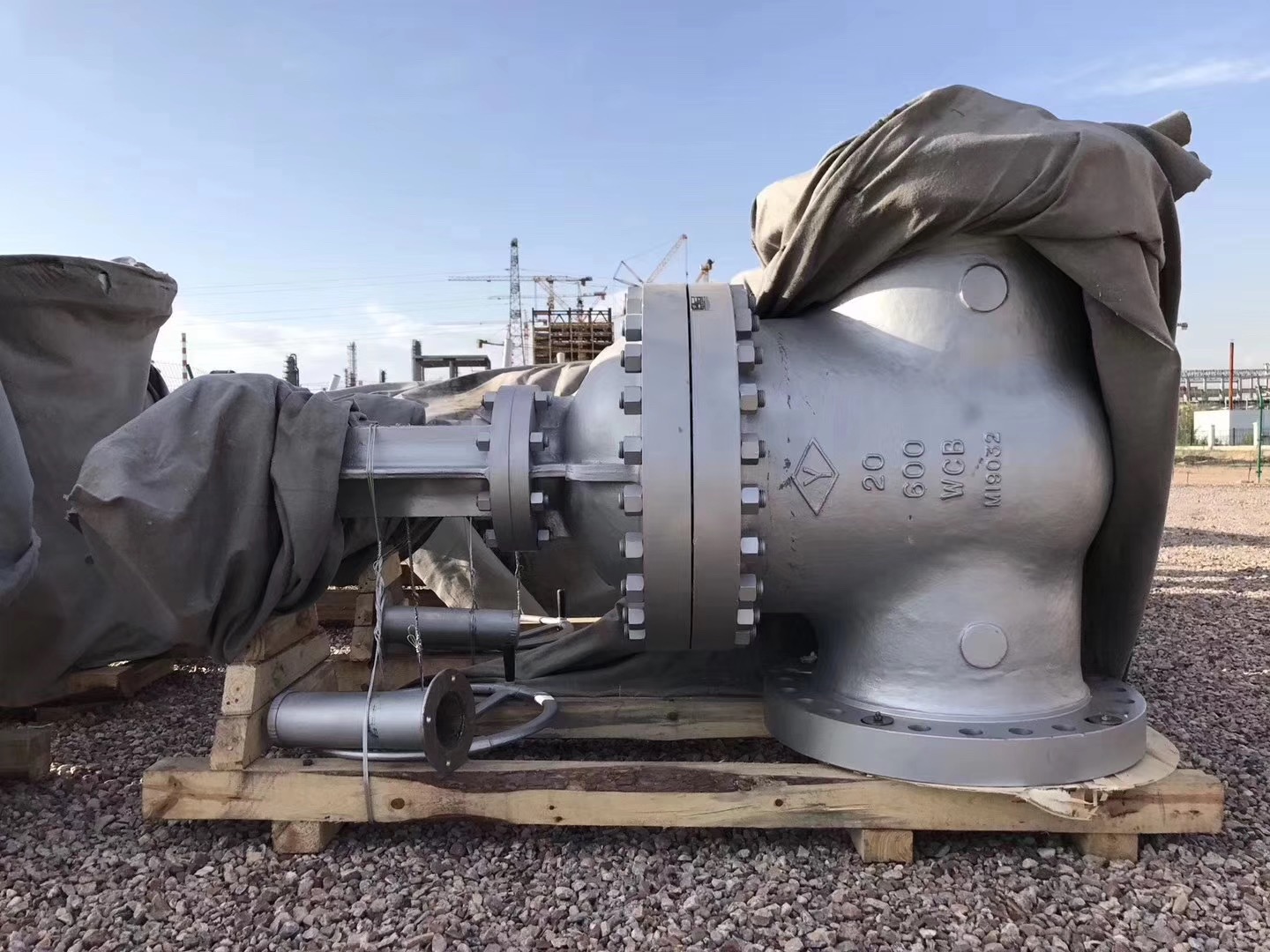
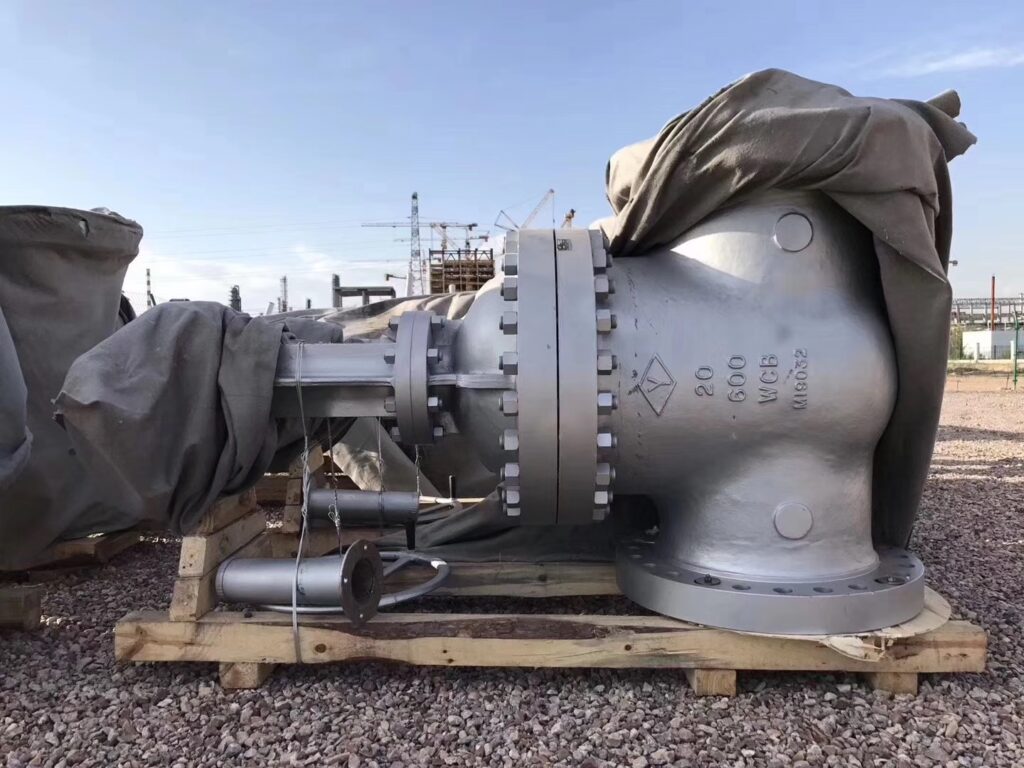
Trying to identify a valve before ordering a replacement? Start with the nameplate or body markings, then compare the body, operator and stem arrangement. A round handwheel or a tall bonnet can be a clue, but neither proves that the valve is a van cổng.
This guide follows five external and construction checks. You can usually gather the useful identification details from the installed valve without dismantling it.
Việc xác định van cổng đặc biệt quan trọng vì nó giúp bạn phân biệt nó với các loại van khác. Các van khác nhau phục vụ các chức năng khác nhau, và việc sử dụng sai loại có thể dẫn đến hoạt động kém hiệu quả hoặc thậm chí gây hư hỏng cho hệ thống của bạn.
Look at the valve as a whole: its markings, kết nối, operator and stem arrangement. If maintenance records or a product reference are available, compare those with what is fitted in the line.
The steps below explain which clues are useful, which are shared with other valve types, and what to send us if the identification is still unclear.
Bước chân 1: Kiểm tra thân van
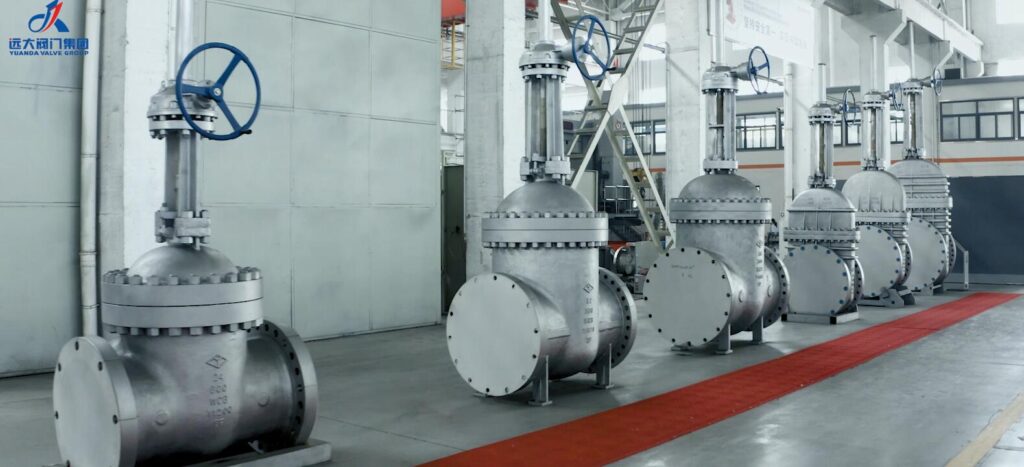
Van cổng thường được sử dụng trong hệ thống ống nước và các ứng dụng công nghiệp để kiểm soát dòng chất lỏng. Để vận hành và bảo trì van cổng đúng cách, điều quan trọng là có thể xác định được nó. Bước đầu tiên để nhận biết van cổng là kiểm tra thân van.
Gate valve bodies vary with size, material and construction. They are not reliably identified by a rectangular or square outline. Look instead for the manufacturer’s name, người mẫu, nominal size and pressure marking cast into the body or shown on the nameplate.
The body contains a passage between the pipe connections and space for the gate to move out of that passage. From the outside, Tuy nhiên, much of this construction is hidden. Paint colour and body shape should be treated as supporting clues rather than a final identification.
Ngoài hình dạng của nó, bạn cũng có thể nhận thấy các đặc điểm khác trên thân van có thể giúp nhận dạng. Chúng có thể bao gồm các dấu hiệu hoặc nhãn cho biết nhà sản xuất hoặc thông số kỹ thuật của van. Việc ghi lại những chi tiết này có thể hữu ích cho việc tham khảo trong tương lai hoặc khi đặt hàng các bộ phận thay thế.
Record the markings before comparing product photographs. Two valves can look similar while having different pressure ratings, materials or connections. A clear photograph of each marked area is more useful for a replacement enquiry than a description such as “the square valve”.
Hãy nhớ rằng việc xác định van cổng không chỉ liên quan đến hình thức bên ngoài của nó.; nó cũng đòi hỏi kiến thức về các tính năng chính và hiểu cách chúng đóng góp vào hoạt động của nó. Trong các bước tiếp theo, chúng tôi sẽ khám phá các khía cạnh bổ sung sẽ giúp bạn xác nhận thêm xem van có thực sự là van cổng hay không.
Bước chân 2: Tìm tay cầm
Many manual gate valves use a handwheel, but globe valves and other multi-turn valves do too. A handwheel tells you about the operating method; on its own, it does not identify the closing mechanism or show the valve position.
Check how the handwheel connects to the stem or gearbox. On an installed valve, a gearbox, chainwheel or actuator may cover details that are easy to see on a bare manual valve.
Gate valves can have handwheels, operating caps, gear operators or actuators. An underground valve operated through an extension spindle may have no visible handwheel at the body.
A freely turning handwheel is not an identification test. Resistance depends on the valve position, pressure and mechanical condition. Do not force or cycle an unidentified valve simply to find out what type it is.
Use the operator as one clue and keep its markings in your photographs. If an actuator is fitted, record the valve nameplate separately: the actuator model identifies the drive, not necessarily the valve beneath it.
Bước chân 3: Examine the Stem Arrangement

Gate valves are available with rising and non-rising stems. With a rising-stem arrangement, the stem travels upwards as the gate opens. With an NRS arrangement, the stem rotates without rising while the gate moves inside the body.
Check the visible stem arrangement and any position indicator. A stem that stays at the same external height does not rule out a gate valve. Của chúng tôi hệ điều hành&Y and NRS gate valve comparison shows why both arrangements are used.
A rising stem gives an indication of gate travel; an NRS valve may have a separate position indicator. These indications describe the operating position, rather than proving that a closed valve is leak-tight.
Stem length alone cannot tell you whether a valve needs replacement. For identification, the model, operator arrangement and visible markings are more useful. Keep condition assessment separate from identifying the valve type.
Also remember that other valve types can have rising stems. Confirm the stem clue against the body markings and the product information before deciding what to order.
Bước chân 4: Confirm the Gate Construction
The gate is the closing element that distinguishes a gate valve. In most installed gate valves it is enclosed by the body and bonnet, so it is not available for direct visual inspection. Use the identified model or existing product information to confirm the construction.
MỘT wedge gate moves across the flow path and retracts from it when opened. In a parallel gate design, “parallel” describes the seating arrangement, not a gate lying along the flow. Ordinary gate valves are intended for isolation, normally fully open or fully closed, rather than precise flow regulation.
Chất liệu làm cổng cũng rất quan trọng. Van cổng có thể có cổng được làm từ nhiều vật liệu khác nhau như đồng thau, thép không gỉ, hoặc gang thép, tùy thuộc vào ứng dụng dự định và điều kiện hoạt động của chúng. Điều quan trọng là phải đảm bảo rằng vật liệu của cổng tương thích với chất lỏng được vận chuyển qua van để tránh bị ăn mòn hoặc hư hỏng..
Ngoài ra, lưu ý mọi hao mòn hoặc hư hỏng có thể nhìn thấy trên bề mặt cổng. Theo thời gian, cổng có thể bị xói mòn hoặc rỗ do tiếp xúc kéo dài với chất lỏng mài mòn hoặc dòng chảy tốc độ cao. Những dấu hiệu hao mòn này có thể ảnh hưởng đến hiệu suất và khả năng bịt kín của van.
If the valve is already dismantled during planned maintenance, photographs of the gate and seat can help identify the design. For an installed valve, do not remove the bonnet just to inspect the gate; identification should begin with the external information.
Bước chân 5: Xác định Bonnet
The bonnet is the cover joined to the valve body above the gate. It forms part of the pressure boundary and houses or supports the stem sealing arrangement.
Bonnet materials vary with the valve design and service, including iron, steel and other alloys. Neither a particular material nor a dome-shaped outline is exclusive to gate valves.
The bonnet may be bolted, threaded or attached by another design-specific joint. The joint seals the bonnet to the body, while packing or another stem-seal arrangement seals around the moving stem. These are distinct sealing locations.
Photograph the body-to-bonnet joint and any visible model markings. A globe valve can also have a bonnet above the body, so this feature needs to be read together with the other clues.
Bằng cách xác định và hiểu mục đích của nắp ca-pô, bạn có thể đảm bảo bảo trì và vận hành đúng cách các van cổng trong hệ thống ống nước và công nghiệp. Việc kiểm tra và bảo trì thường xuyên bộ phận quan trọng này sẽ giúp kéo dài tuổi thọ của nó và ngăn ngừa mọi sự cố tiềm ẩn có thể phát sinh do rò rỉ hoặc hư hỏng..
Confirm the Identification Before Ordering
A reliable identification brings several clues together. Keep the nameplate and body markings as the starting point, then compare the connections, operator, stem and bonnet with the corresponding product information.
The external body shape helps describe what is installed, but it does not establish the valve type. Record the nominal size and pressure markings as well as the manufacturer and model where these are legible.
A handwheel is common to several valve types. Include the gearbox or actuator reference where fitted, while keeping the valve’s own identification separate.
A gate valve may have a rising or non-rising stem. Note the arrangement and any position indicator, especially where headroom or remote operation will affect the replacement.
The internal gate determines the closing design. Confirm it from the model or maintenance records when possible, rather than opening an installed valve to look inside.
The bonnet and connection details help narrow the match. For a replacement, compare the end connections and installed length as well as the nominal pipe size.
Still unsure what is fitted? Send Farpro a valve identification enquiry with an overall photo and close-ups of the nameplate, body markings and connections. Tell us the fluid, required quantity and destination. We can discuss the likely product options and the details still needed before quoting a replacement.
Once the arrangement is clear, explore Farpro’s hệ điều hành&Van cổng chữ Y, Van cổng NRS hoặc flanged gate valve range. The product pages show existing models to compare with your requirement.