
Van một chiều cho dòng chảy thuận và đóng khi dòng chảy ngược. Trong đường ống công nghiệp, nó thường được gọi là một kiểm tra van hoặc van một chiều. Các tên mô tả chức năng cơ bản giống nhau; thiết kế bên trong xác định cách van mở, đóng lại và phù hợp với dòng.
Trên một máy bơm xả, đường cấp nước hoặc đường ống xử lý, câu hỏi thực tế là thiết kế nào phù hợp với quy trình và cách lắp đặt. Hướng dẫn này giải thích các cấu trúc phổ biến, sự khác biệt giữa hình dạng van và loại kết nối, và các chi tiết đáng để kiểm tra trước khi bạn chọn mẫu.
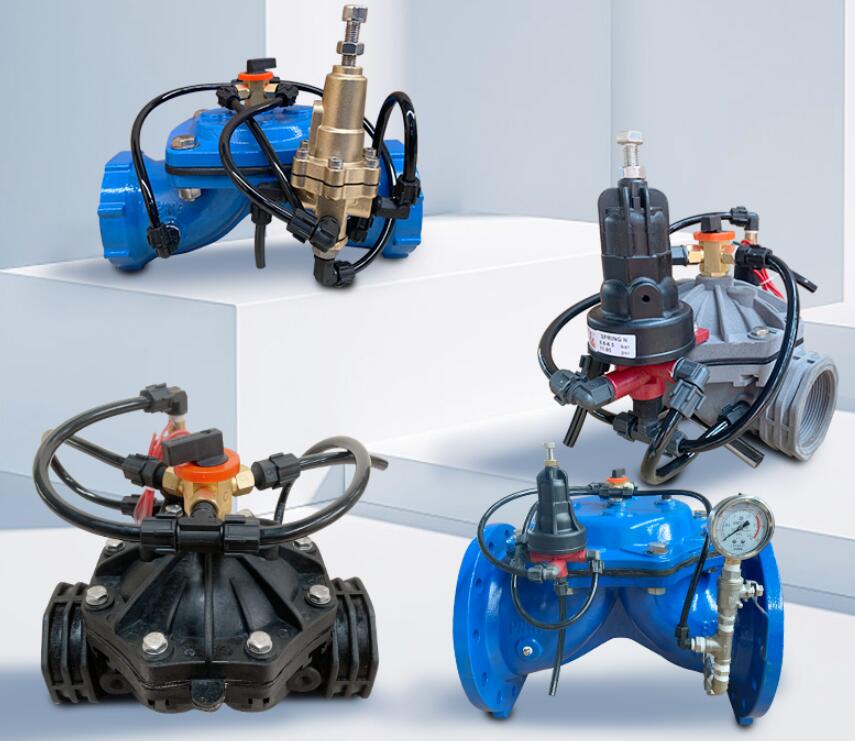
Straight-Through and Right-Angle One-Way Valves
Straight-through arrangement
In a straight-through arrangement, the inlet and outlet lie on the same axis. Threaded connections are one option; có mặt bích, wafer and welded arrangements are also used, depending on the valve design.
This layout fits a straight section of pipe. The internal disc, ball or poppet still changes the flow path, so an inline body does not by itself guarantee a low pressure drop. Compare the flow data for the size and construction you need.
Right-angle arrangement
A right-angle body turns the flow between its inlet and outlet. Có ren, welded or flanged ends may be used; the connection does not define the closing mechanism.
The elbow-shaped body can suit particular equipment layouts. Check the port directions and mounting position on the model drawing, especially where the moving element relies on gravity to close.
Các loại van một chiều
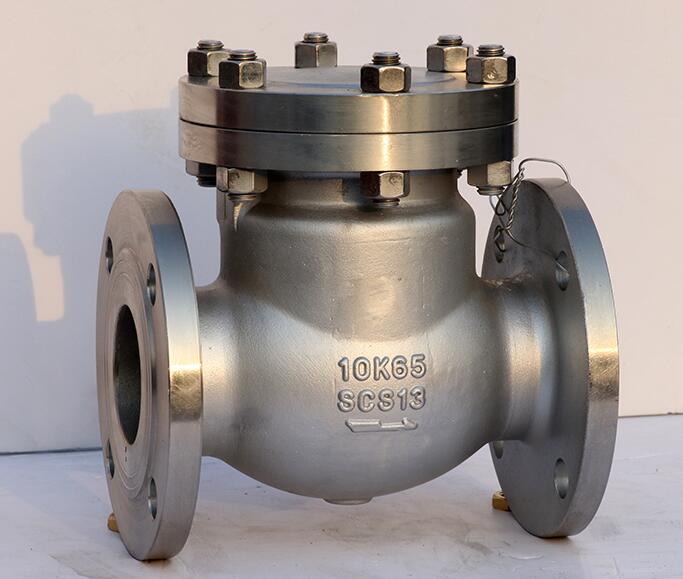
Classification by Closing Mechanism
Industrial check valves are commonly grouped as lift, swing, dual-plate and ball types. Spring assistance and gravity describe how the closing element is returned to its seat. Wafer describes a compact body that fits between pipe flanges, rather than one specific mechanism.
- Lift check valves: A disc or piston lifts from its seat under forward pressure and returns as the flow falls. Horizontal and vertical versions have different installation requirements; use the orientation specified for the model.
- Van kiểm tra xoay: A hinged disc swings open with forward flow and returns toward the seat as flow decreases. See the swing check valve range for the available body materials and models.
- Van kiểm tra bóng: A ball moves away from its seat during forward flow and returns to block reverse flow. The ball, seat and passage geometry matter where the medium contains solids. Compare the ball check valve options against the actual fluid and flow conditions.
- Flap and dual-plate check valves: A flap is a hinged closing element; dual-plate designs use two spring-assisted plates. Many compact versions fit between flanges. Các wafer check valve range shows this space-saving arrangement.
Connections may be threaded, có mặt bích, wafer or welded. Choose the closing mechanism for the service first, then confirm the connection standard, face-to-face length and access for maintenance.
Comparing Swing, Wafer and Silent Check Valves for Purchase
Once the basic valve type is clear, compare the installation and maintenance needs. These existing Farpro ranges give you three starting points:
| Range | Why buyers consider it | Check before ordering |
|---|---|---|
| Van kiểm tra xoay | A hinged-disc design with flanged models in several body materials | Installed length and access for cover and disc inspection |
| Wafer check valves | A compact body fitted between pipe flanges | Flange compatibility, disc clearance and space for removal |
| Silent check valves | An option to compare for water and pump circuits where closing behaviour matters | Normal and minimum flow, pressure loss and pump-stop conditions |
For a replacement, identify the existing valve before comparing prices. A change from a flanged body to a shorter wafer body can involve pipework changes, even at the same nominal size. For a pump installation, our pump discharge check valve guide explains the operating details worth discussing.
Application and Material Considerations
| Loại trung bình | What to check |
| Chất lỏng ăn mòn | Thân hình, trim and seal compatibility with the actual chemical and concentration |
| Axit mạnh và kiềm | Compatibility of every wetted part; a PTFE seal alone does not establish suitability |
| Hơi nước nhiệt độ cao | Pressure-temperature rating, body and trim materials, and seat construction |
- Hydraulic systems: Check valves can hold a flow direction within an oil circuit. Pilot-operated and combination valves have additional functions and should be selected from their hydraulic symbols and circuit requirements.
- Pneumatic systems: One-way valves prevent air returning through a line. Áp lực mở, leakage and connection size are important; small pneumatic components should not be treated as interchangeable with industrial pipeline check valves.
- Medical equipment: Small check valves also appear in medical devices. This is a separate application category with its own material, cleanliness and validation requirements; an industrial check valve description does not establish medical suitability.
- Van vịt: Flexible lips open under forward pressure and close against reverse flow. These elastomeric designs serve different duties from the metal-bodied swing, lift and wafer valves used in industrial pipework.
- Pressure relief valves are a different category: They open to release excess pressure. A check valve closes against reverse flow. One function does not replace the other, even when both devices appear in the same system.
Opening Pressure and Typical Duties
The differential pressure needed to start opening a check valve is its cracking pressure. It depends on the spring, moving element, mounting position and design. There is no single opening-pressure value that applies to every one-way valve.
Common duties include:
- Preventing reverse flow through a stopped pump. Closing response matters as well as pressure rating; see our guide to check valves on pump discharges.
- Separating connected branches so that one operating pump or supply does not drive flow backward through another.
- Providing a one-way bypass within a hydraulic combination valve. Throttle, pressure-reducing and sequence functions belong to the circuit design, rather than to every ordinary check valve.
- Controlling the permitted flow direction in a return line. Any required backpressure is a separate selection condition.
Loại thẳng
For an inline valve, follow the flow arrow on the body and verify the permitted mounting orientation. Body shape alone does not tell you whether vertical downward flow is allowed.
Threaded valves can connect directly into smaller pipework. Larger or heavier bodies need adequate support so that pipe loads are not carried through the connections.
Các van một góc bên phải
For an angle-pattern valve, match both port directions to the equipment layout. Leave enough room to remove the cover or closing element where the design allows servicing.
Cân nhắc lựa chọn
Start with the duty rather than the nominal pipe size alone. A check valve must open steadily at the available flow and close appropriately when that flow falls. These details make a useful starting point:
- Pressure: Check the maximum operating and reverse pressures, including relevant system transients. Select the pressure rating together with the operating temperature.
- Flow: Use the normal and minimum flow rates when comparing sizes. An oversized valve can chatter or remain only partly open; an undersized valve can create excessive pressure loss.
- Trung bình: Describe the fluid, solids content and any corrosive components. Body material, seat and moving parts all need to suit that service.
- Nhiệt độ: Confirm the complete valve rating. The temperature capability of the body material alone does not establish the limit of a soft seat, spring or seal.
- Cài đặt: Confirm flow direction, mounting position, end connection and space for inspection. For a replacement, compare the face-to-face dimension as well as DN or NPS.
Cài đặt cân nhắc
Correct orientation and a clean, supported line give the valve a better starting point. Follow the model instructions and the system commissioning procedure, particularly on pump discharges.
1. Kiểm tra niêm phong: Inspect the joints and carry out the specified system test using a method suitable for the fluid, pressure and site procedure. A quick external leak check is not a substitute for the required pressure test.
2. Vibration and chatter: Repeated disc movement can point to unsuitable sizing, low flow or disturbed flow near the valve. Before changing any component:
- Compare the actual flow with the model operating range.
- Check nearby bends, reducers and pump discharge conditions against the installation instructions.
- Consult the manufacturer before changing a spring or adding damping; those changes alter opening and closing behaviour.
3. Maintenance and bypass arrangements: A bypass is a system design decision. An open bypass can allow reverse flow around the check valve. Plan the isolation and maintenance arrangement for the particular installation:
- Identify how the valve section will be isolated and depressurised.
- Do not assume that fitting a bypass makes online valve removal safe.
- Keep any bypass operation within the approved operating procedure.
4. Hỗ trợ đường ống: Support heavy valves and adjacent pipework independently where required. Connections should meet without forcing the body into alignment.
5. Accessories: Most ordinary check valves operate without an external power supply. Where a model includes position switches, a controller or other accessories:
- Check the accessory supply and signal requirements.
- Follow the wiring diagram and the site electrical requirements.
- Keep access for inspection and adjustment after the valve is installed.
Developments in One-Way Valve Design

New designs often focus on closing response, maintenance access and condition monitoring. The useful question is whether a feature addresses a problem in your line, such as repeated pump-stop noise, seat wear or difficulty checking valve position.
- Công nghệ van thông minh:
- Tích hợp các cảm biến và bộ truyền động để giám sát và kiểm soát thời gian thực.
- Use condition data to support inspection planning where suitable sensors and maintenance systems are available.
- Vật liệu bền vững:
- Áp dụng các vật liệu thân thiện với môi trường như polyme dựa trên sinh học và kim loại có thể tái chế.
- Evaluate the actual wetted materials, replacement parts and service life rather than relying on a broad environmental label.
- Tích hợp với IoT:
- Kết nối với Internet of Things (IoT) Nền tảng cho hoạt động từ xa và phân tích dữ liệu.
- Remote monitoring requires compatible sensors, quyền lực, communications and controls; these are not standard features of every check valve.
- Cải tiến hiệu suất:
- Khả năng kiểm soát dòng chảy nâng cao để điều chỉnh chính xác dòng chảy.
- Compare pressure-drop and closing-response data for the operating flow instead of assuming every newer design saves energy.
- Thích ứng với nhu cầu của ngành:
- Tùy chỉnh các thiết kế van để đáp ứng các yêu cầu và ứng dụng cụ thể của ngành.
- For unusual media or operating conditions, discuss the complete duty before selecting materials or accessories.
For a pump or water-system enquiry, a short description of the medium, line size, flow and mounting position is more useful than choosing by name alone. Compare our Van kiểm tra im lặng with the swing and wafer options above, hoặc contact Farpro with the details of your line.