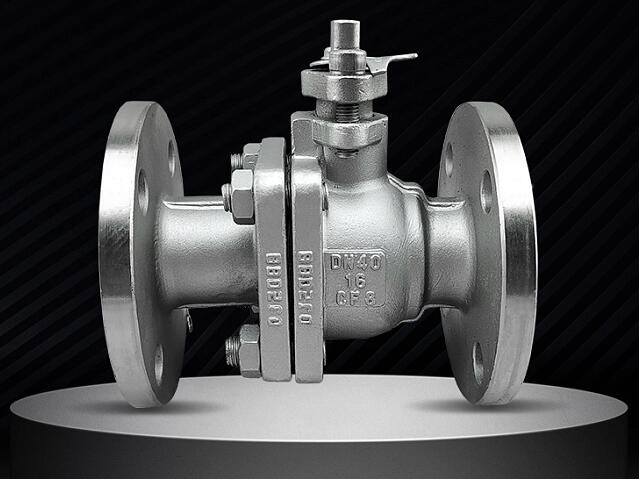
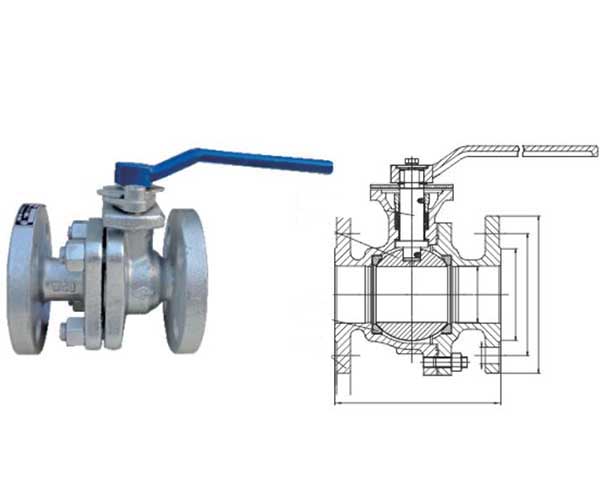
A floating ball valve offers a straightforward way to isolate a process line: turn the handle through a quarter turn to open or close the passage. Its compact construction makes it a familiar choice for plant piping, utility systems and equipment connections.
Farpro supplies cast steel and stainless steel floating ball valves, including the Q41F and Q41Ni series shown below. Browse the models to compare body materials, seats and dimensions for your installation.
How a Floating Ball Valve Seals
The stem turns the ball, while the seats hold it within the body. There are no trunnion supports fixing the ball along its rotational axis. Under line pressure, the ball moves slightly toward the downstream seat to form the shut-off seal.
The simple quarter-turn mechanism works well for local isolation and can also be paired with an actuator. For a replacement, check the connection and installation length as well as the valve size; two valves with the same nominal diameter do not necessarily fit the same space. Our valve replacement guide explains which installation dimensions to record.
| Floating Ball Valves Material | Standard | Actuated Mode | Sealing method | Applications and Uses |
|---|---|---|---|---|
| cast iron, cast steel, stainless steel | API, DIN, JIS, KS, EN, BS, EAC, NF | manual operation, electric actuator, actuated of water/air/oil | Hard seal, soft seal, single-sided seal, double-sided seal, etc. | coal beneficiation, gangue discharge and slag discharge in mines and power plants, sewage treatment in cities, industrial pipelines, professional pipeline systems for food, sanitation, medicine, etc. |
Types of Floating Ball Valves

Q41F Flanged Floating Ball Valve – Cast Steel
The Q41F is a flanged floating ball valve for quarter-turn isolation in industrial piping. The ball is held between its
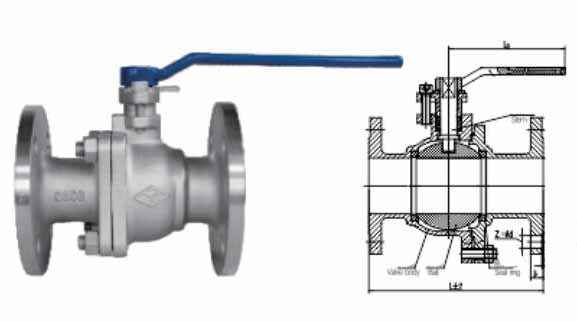
Q41F Floating Ball Valves: Materials and Sizes
The Q41F floating ball valve is a flanged isolation valve. Its ball is held between the seats rather than supported
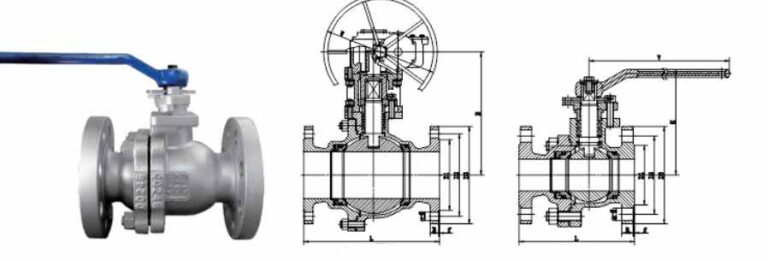
Floating Ball Valve Cast Steel – Q41Ni
Farpro Q41Ni Floating Ball Valve is a type of ball valve that uses a floating ball to control the flow
Floating or Trunnion-Mounted?
The difference is how the ball is supported. In a floating design, line pressure moves the ball toward its seat. A trunnion-mounted valve supports the ball at its rotational axis and uses the seats to maintain sealing contact.
As size and differential pressure increase, the way those loads reach the seats affects operating torque. That makes ball support an important part of selection, alongside the bore, seat material and operating conditions.
Seat material is a separate choice: floating and trunnion-mounted designs can both use soft or metal seats. The support arrangement alone does not tell you the temperature limit or sealing performance of a particular valve.
For a closer look at the range, compare the cast steel Q41F with the stainless steel and metal-seat models listed above.
Finding the Right Replacement
If you have a valve to replace, a clear photograph and the existing model often make a useful starting point. We can help you work through the differences between the old valve and the available options before preparing a quotation.
For a new line, send us the valve specification you are working to. You do not need to settle every product detail before getting in touch.
About Farpro Valve Manufacturer
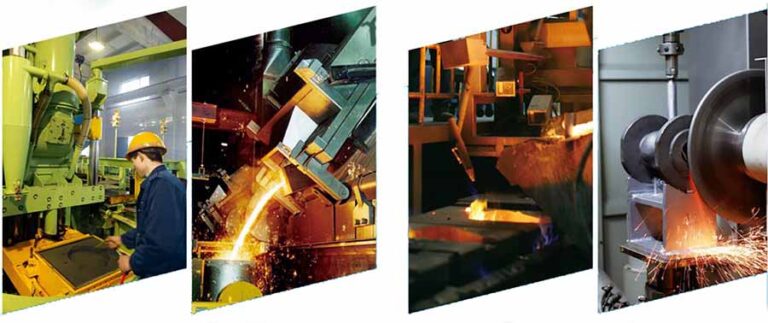
Farpro Valve is a large global valve manufacturer engaged in the research, development, production and sales of valves.
Our product standards include: GB/JB, API, ANSI, AWWA, DIN, JIS, GOST, NF, etc.
Our valves are available in 12 major categories, 200 series and 4000 sizes, including gate valves, globe valves, ball valves, butterfly valves, check valves, diaphragm valves, pressure reducing valves, plug valves, traps, etc.
The annual output reaches 80,000 tons. All products are widely used in petroleum, petrochemical, chemical, electric power, metallurgy, water conservancy, construction, pharmaceutical, drainage and other fields.
Our products sell well in the markets of Germany, England, France, Italy, Brazil, Poland and more than 30 countries and regions in Europe, Central Asia, West Asia, etc.