
When a pump stops, the water in its discharge line may still be under pressure. Without a suitable check valve, it can return through the pump, causing reverse rotation and disrupting other pumps connected to the same line.
A pump discharge check valve closes automatically against reverse flow. Choosing one means looking beyond pipe size: the valve needs to work with the pump’s flow range, installation position and shutdown conditions. Here is how the common designs compare and where to start when sourcing a valve.
What is a Check Valve?
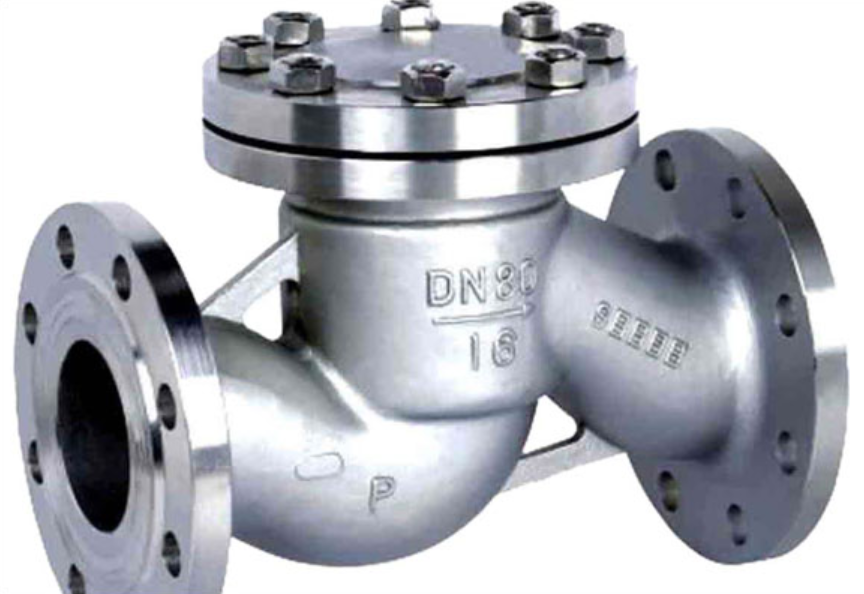
A check valve is a specialized valve designed to allow flow in one direction while preventing backflow or reverse flow in the opposite direction. This valve operates automatically, opening to permit forward flow and closing to block any reverse flow, making it an essential component in various fluid handling systems.
Why are Check Valves Required on Pump Discharges?
- Preventing Reverse Flow and Pump Damage
When a pump is stopped or shut down, the fluid in the discharge line can potentially flow back toward the pump due to gravity or system pressure. This reverse flow can cause damage to the pump’s internal components, such as the impeller, shaft, and bearings. By installing a check valve on the pump discharge, you can effectively prevent this reverse flow, protecting the pump from potential damage and extending its service life. - Maintaining System Pressure
In systems with multiple pumps or where the discharge line connects to a pressurized system, a check valve on the pump discharge helps maintain the desired system pressure. Without a check valve, the fluid could flow back through the idle pump, causing a loss of pressure and potentially disrupting the overall system operation. - Preventing Pump Rotation in the Reverse Direction
In some cases, the reverse flow of fluid can cause the pump’s impeller to rotate in the opposite direction. This undesirable phenomenon, known as “pump spin-back,” can lead to damage, increased wear, and potential failure of the pump components. Installing a check valve on the discharge side effectively prevents pump spin-back, ensuring the pump operates as intended. - Managing Pressure Surges
Pump shutdown can cause rapid changes in flow and pressure. A suitably selected check valve can help limit reverse flow before closure, reducing the risk of valve slam. Closure behaviour matters: an unsuitable valve can contribute to pressure surges rather than solve them.
Types of Check Valves Suitable for Pump Discharges
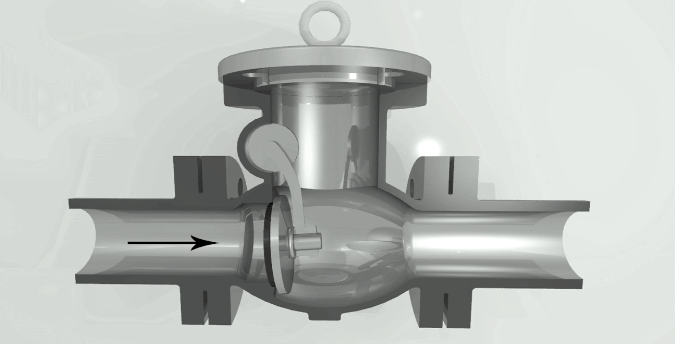
Various types of check valves can be used on pump discharges, depending on the specific application and operating conditions. Some common options include:
- Swing Check Valves
- Lift Check Valves
- Ball Check Valves
- Split Disc Check Valves
- Spring-Assisted Silent Check Valves
When selecting a check valve for your pump discharge, it’s crucial to consider factors such as flow rate, pressure, temperature, and the characteristics of the fluid being handled. Consulting with valve experts and following industry best practices can ensure the optimal selection and installation of check valves for your pumping systems.
By incorporating check valves on pump discharges, you can safeguard your equipment, extend its service life, and maintain efficient and reliable system operation. Prioritizing the installation of these critical valves is a best practice widely recommended by valve experts and industry professionals alike.
Low-Flow Operation and Pump Shutdown
A pump rarely operates at one flow rate throughout its life. With variable-speed pumps or several pumps working in parallel, a check valve may spend part of its time at much lower flow than the design maximum. A valve chosen only to match the pipe diameter may not open stably at those conditions, leading to disc movement, noise and wear.
Shutdown behaviour deserves equal attention. A valve that closes after substantial reverse velocity has developed can produce a sharp pressure transient. A faster response can help in the right system, but no check valve design is a universal cure for water hammer; long rising mains and complex pump stations may need transient analysis.
Comparing Farpro Check Valve Designs
The H44H swing check valve uses a hinged disc in a flanged cast steel body. The DH77X wafer check valve offers a compact installation, while the HC41X silent check valve is another design to consider for water and pump circuits.
The useful starting point is the pump’s operating range and pipe layout, including whether the discharge is horizontal or vertical. These details help narrow the choice more effectively than a request for a check valve of a given diameter alone.
Sourcing a Check Valve for Your Pump Installation
For a new pump installation, you may already have a valve schedule or a preferred design. Send that starting point to Farpro so we can discuss the corresponding products in our range. Where several pumps share a discharge header, mention this early; the way the pumps operate together matters to the choice.
For a replacement, a photo of the existing valve and its nameplate can make the conversation easier. Let us know whether you are replacing a worn valve or investigating noise, leakage or reverse flow after shutdown. A replacement needs to suit the installation, rather than simply carry the same nominal size.
Contact Farpro about your pump check valves with the model or valve type, quantity and destination. If you are still comparing options, tell us what you already know about the job; we can discuss the remaining details with you.