
The practical difference between an OS&Y gate valve and an NRS gate valve is the stem arrangement. An OS&Y stem rises as the gate opens, making its travel visible. An NRS stem rotates without rising, saving vertical space. For a buyer, the choice often comes down to headroom, position indication and the operating arrangement required by the project.
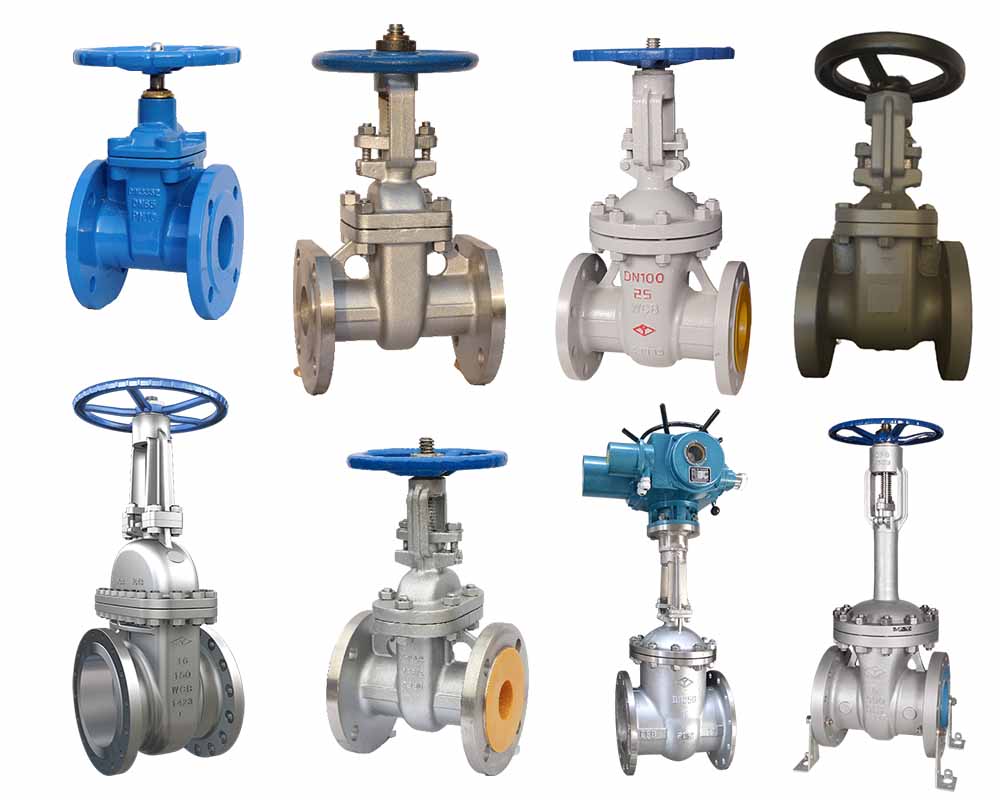
Design and Construction of Gate Valve:
OS&Y means Outside Screw and Yoke. The working stem thread is outside the valve body, and the stem rises through the yoke as the gate opens. This makes the stem travel visible and leaves the external thread accessible for inspection and lubrication. Allow space for the stem in the fully open position, rather than judging clearance from the closed valve.
In a common NRS design, the stem rotates and its threaded engagement moves the gate inside the body. The stem does not rise above the operator as the valve opens. This gives a more compact installation height; the valve may use a separate indicator where position indication is required. Our rising-stem and non-rising-stem installation comparison covers clearance and access in more detail.
Application of OS&Y and NRS Gate Valve

An OS&Y arrangement is useful on accessible pipework where operators want a visible indication of gate travel and room is available above the valve. Water treatment and fire-protection projects may specify this arrangement. For fire service, match the actual valve and any monitoring accessories to the project’s approval requirements; the OS&Y name alone does not establish approval.
NRS gate valves, on the other hand, are typically used in applications where space is limited, such as underground pipelines or in building risers. The compact design of the NRS valve allows for a smaller installation footprint, which can be an advantage in tight spaces.
Operation and Maintenance:
On an OS&Y valve, the exposed stem thread can be inspected and lubricated as the manufacturer specifies. Leave room to reach it, and protect it from impact and accumulated dirt. Visible threads do not mean the stem can simply be removed from an operating, pressurised valve.
An NRS valve keeps its external height essentially unchanged during operation, but it still needs access to the operator, stem seal and bonnet. In common designs the working threads are inside the body, so material compatibility with the medium matters. Neither arrangement is automatically maintenance-free or better suited to every harsh environment.
Suggestion of Farpro Valve Manufacturer
Choose between these gate valve arrangements by looking at the installation and the project specification together. Visible travel may favour OS&Y; limited headroom may favour NRS. The required body material, pressure rating, connection and operating method still need to match the line in either case.
Comparing Farpro Options for Your Enquiry
For flanged cast iron options, compare the Z41T OS&Y gate valve with the Z45T NRS gate valve. Farpro also lists grooved models in both ranges. Start with the connection already specified for the job, then compare the stem and operator arrangement.
If you are replacing a valve in a chamber or pipe rack, tell us about the available headroom and access, along with the existing model or a nameplate photo. Contact Farpro with the size, quantity and destination so we can discuss the relevant options without starting the enquiry from scratch.